Introduction
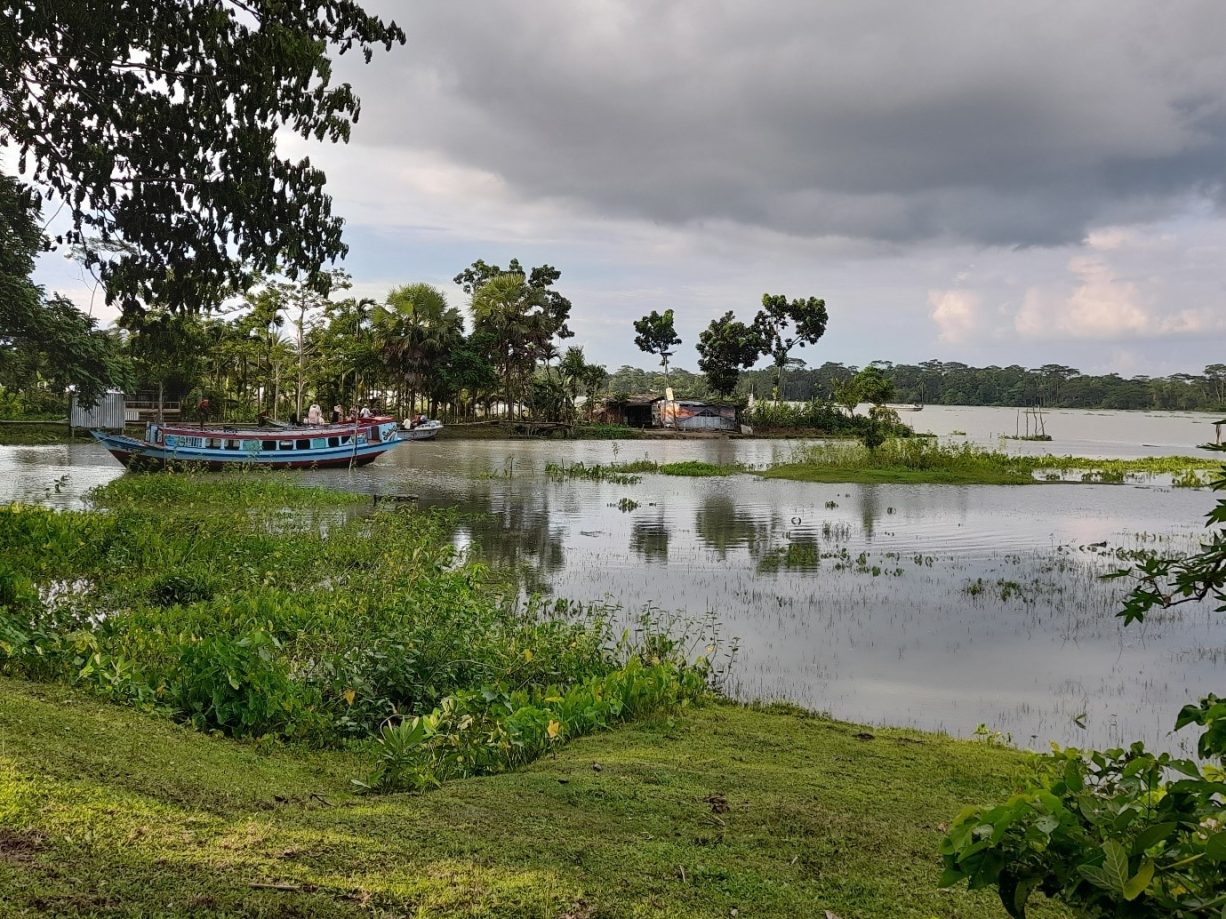
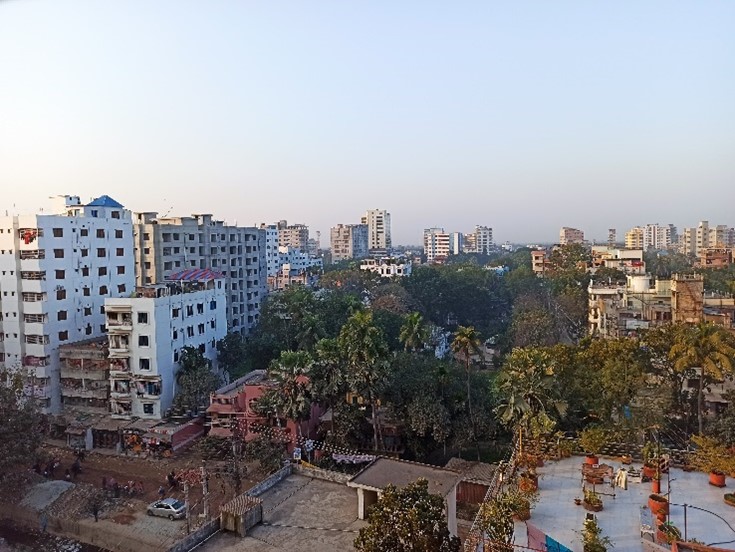
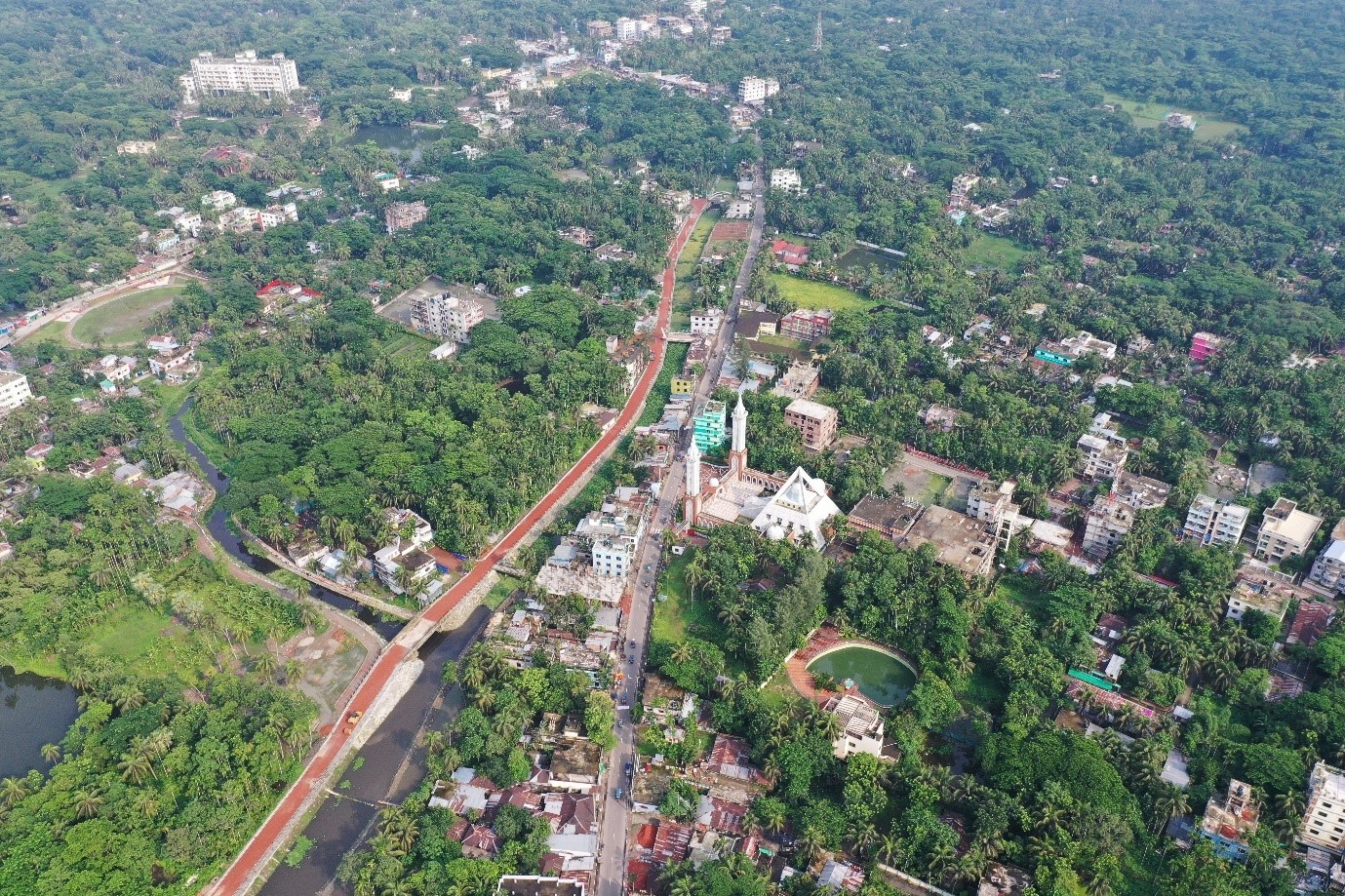
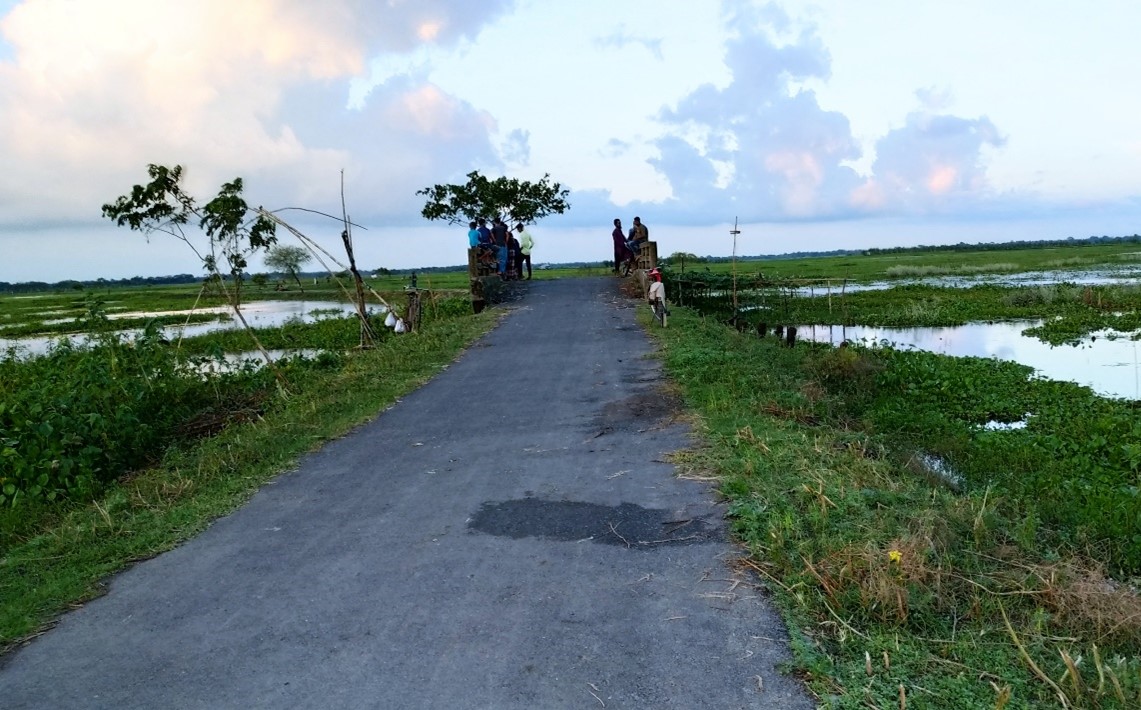
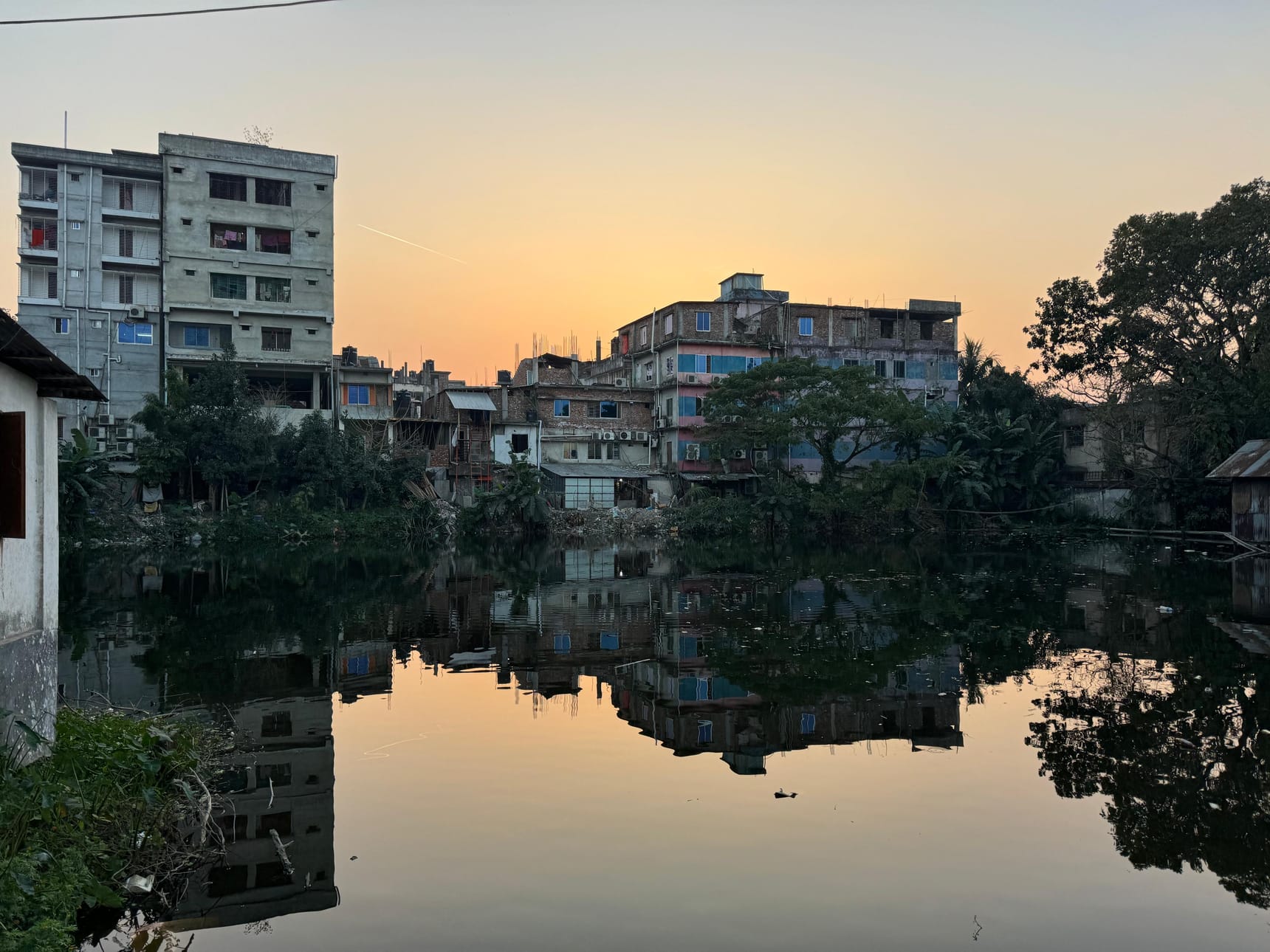
Across seven Bangladeshi towns with more than half a million residents, most households rely on septic tanks and pits, many of them unlined, ageing or connected directly to storm drains. During the monsoon this exposes flood-prone wards, dense commercial pockets and settlements along the Padma, Baleshwar, Katcha and Arial Khan rivers and the khals to faecal contamination. The towns range from the river island of Bhola and low-lying floodplains to fast-growing commercial centres.
Project info
- Client: Asian Institute of Technology – Global Water & Sanitation Center (AIT-GWSC)
- Funder / programme: Gates Foundation grant; support to project preparation for AFD’s 7 Towns project with DPHE
- Innpact role: Lead consultant, in consortium with Streams Tech
- Period: Nov 2023 – Jul 2024
- Location: Faridpur, Pirojpur, Bhola, Magura, Jashore, Kushtia and Saidpur, Bangladesh
Scope
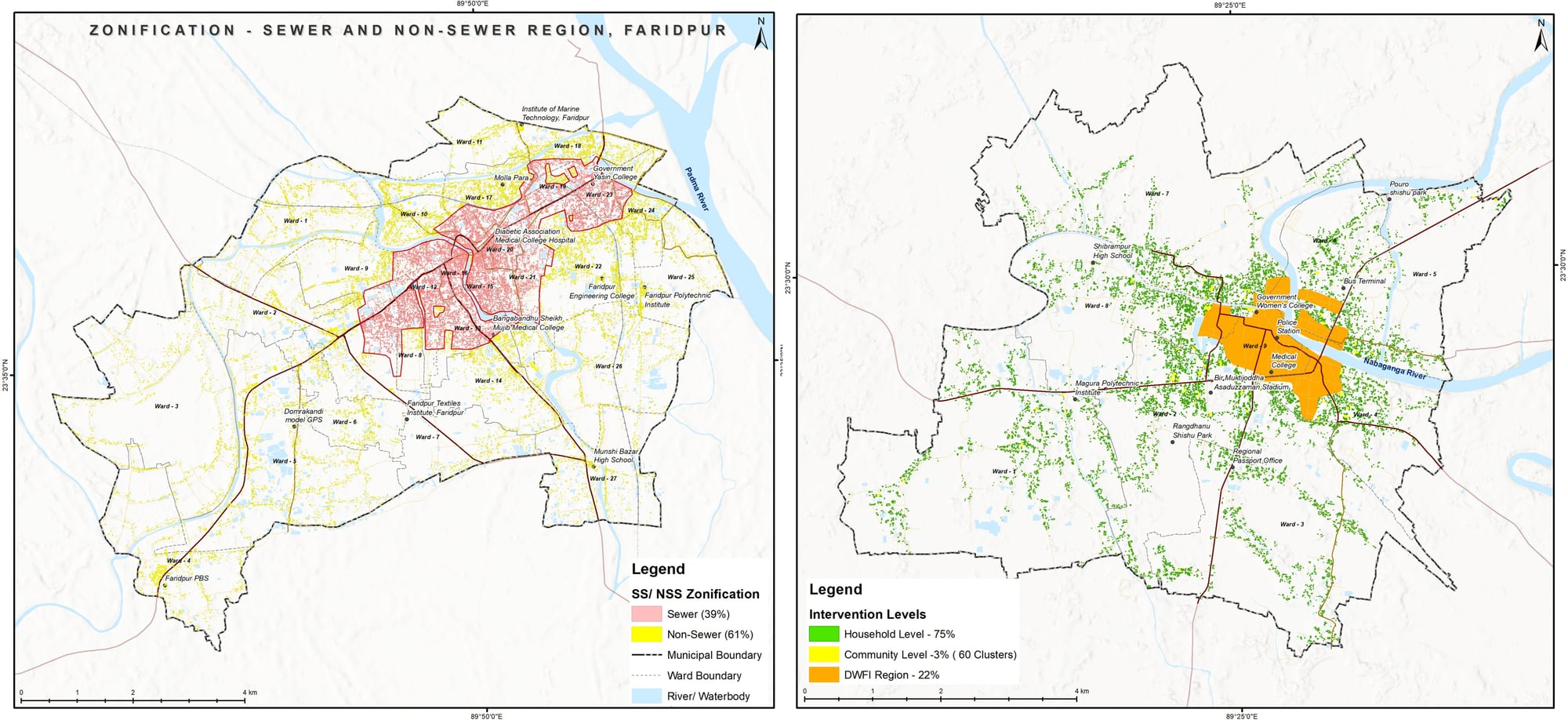
The project prepared a citywide inclusive sanitation (CWIS) feasibility study for faecal sludge management (FSM) and greywater management in all seven towns, as a support document for the project preparation study of AFD’s 7 Towns project. The work assessed containment gaps, desludging practices and transport logistics; evaluated existing treatment systems; identified feasible sites for new or expanded faecal sludge treatment plants (FSTPs); and developed practical greywater management options.
The study also reviewed regulatory gaps, proposed service delivery models and institutional and tariff improvements, and assessed the financial viability of phased investment. Geospatial diagnostics, climate considerations and water-sensitive approaches were brought together in a single framework for safe and equitable sanitation across the seven municipalities.
Did You Know?
- Bhola is the largest island in Bangladesh and is known for its natural gas reserves.
- Faridpur is home to Padmar Char, known for its unique farming techniques called floating gardens.
- Faridpur is often referred to as the "Jute Capital of the World" due to its historical significance in the jute industry.
Services Delivered
Pan-City Service Coverage Benchmark
The study set a pan-city service coverage benchmark for both faecal sludge management (FSM) and greywater management in each town.
Techno-Economic Feasibility Assessment
A techno-economic feasibility assessment tested the proposed interventions for long-term economic viability and benefit.
Geospatial Analysis for Service-Level Benchmarks
Geospatial analysis was used to set service-level benchmarks, which provide the basis for regulatory frameworks and monitoring systems.
Differential Tariff Scheme for Cost Recovery and Community Support
The project designed a differential tariff scheme to recover operating costs while protecting low-income households.
Embedding Climate Change Considerations and Risk Assessments
Climate risk assessments and emission factors were built directly into the sanitation design, so that the proposed systems account for future climate conditions.
Results
- CWIS feasibility study for FSM and greywater management delivered for all seven towns.
- Town-level composite risk maps, desludging accessibility maps and public toilet coverage assessments completed for each municipality.
- Field surveys, stakeholder consultations and faecal sludge and greywater characterisation surveys carried out to validate the spatial analysis.
- Technology options and sites for faecal sludge and greywater infrastructure identified, with a differential tariff scheme and institutional recommendations.
- Findings handed over as a support document for the project preparation study of AFD’s 7 Towns project.
Work Illustration
A multi-criteria risk assessment was developed to understand sanitation-related vulnerabilities across the seven towns. Parameters such as elevation, slope, drainage density, flood exposure and settlement density were given weighted scores to identify high-risk clusters. These areas frequently overlap with operational problems such as overflowing septic tanks, greywater stagnation and limited desludging access.
The assessment also showed that large parts of the built-up area lie close to natural or engineered drainage channels, increasing the chance of direct wastewater discharge. These findings were used to prioritise containment upgrades, greywater interventions, O&M access routes and FSTP improvements, and form the basis of the climate-resilient CWIS strategy for the seven municipalities.