Introduction
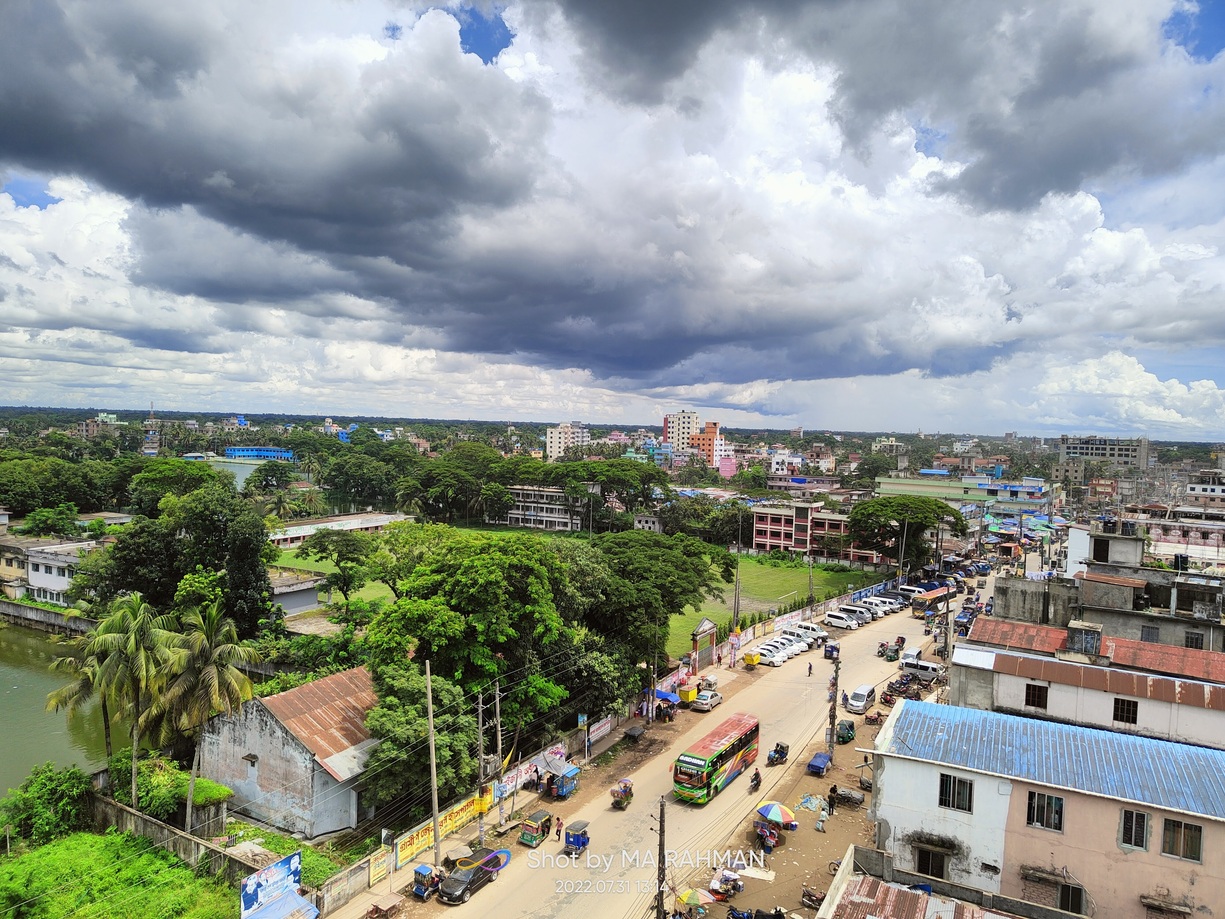
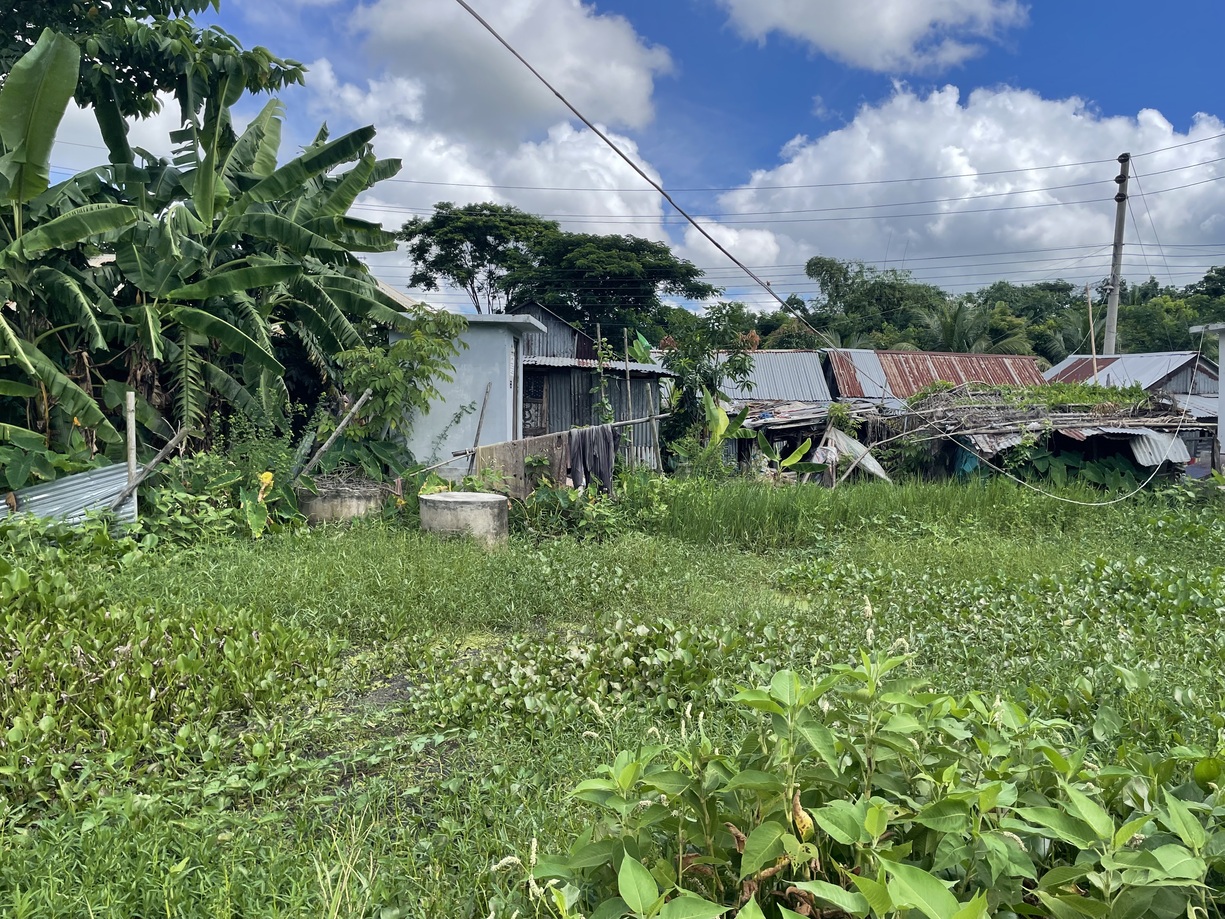
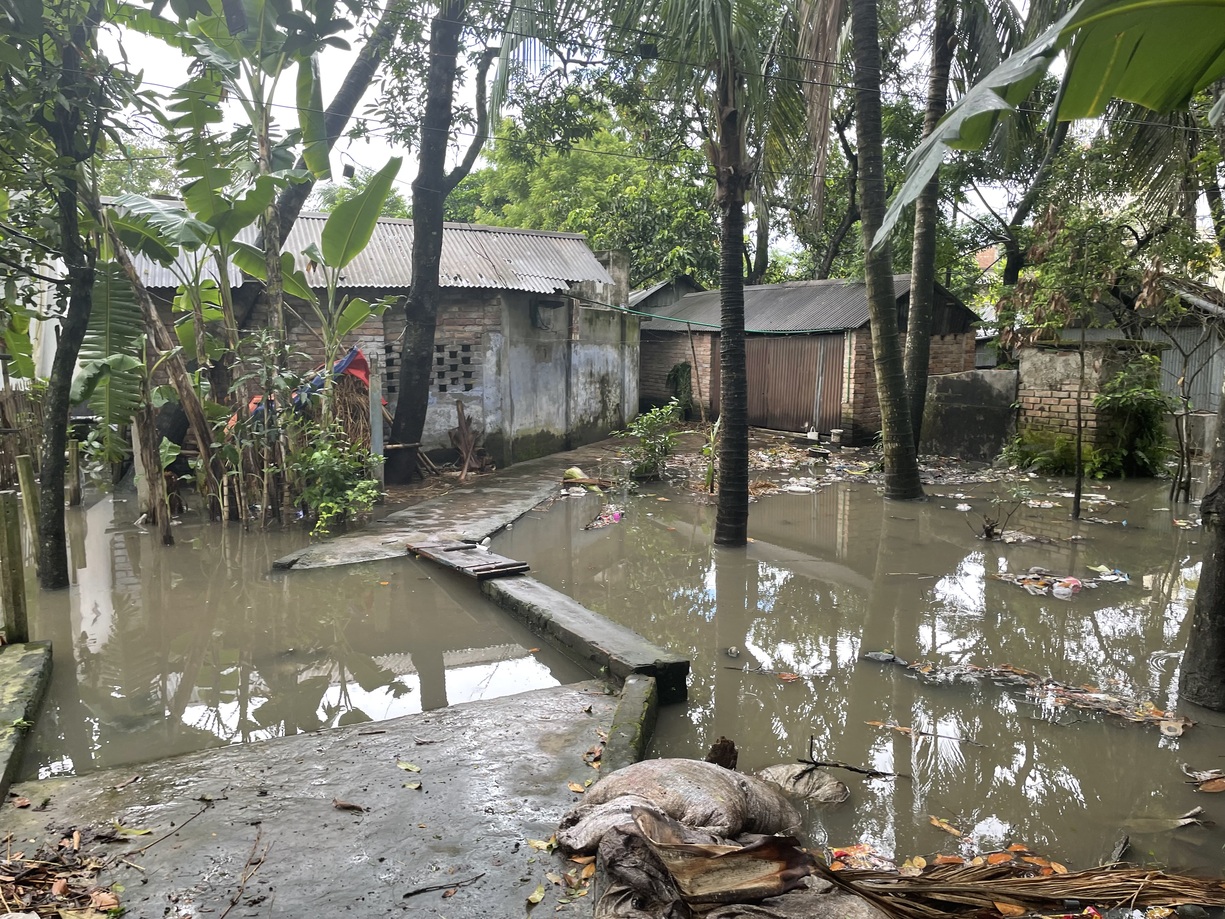
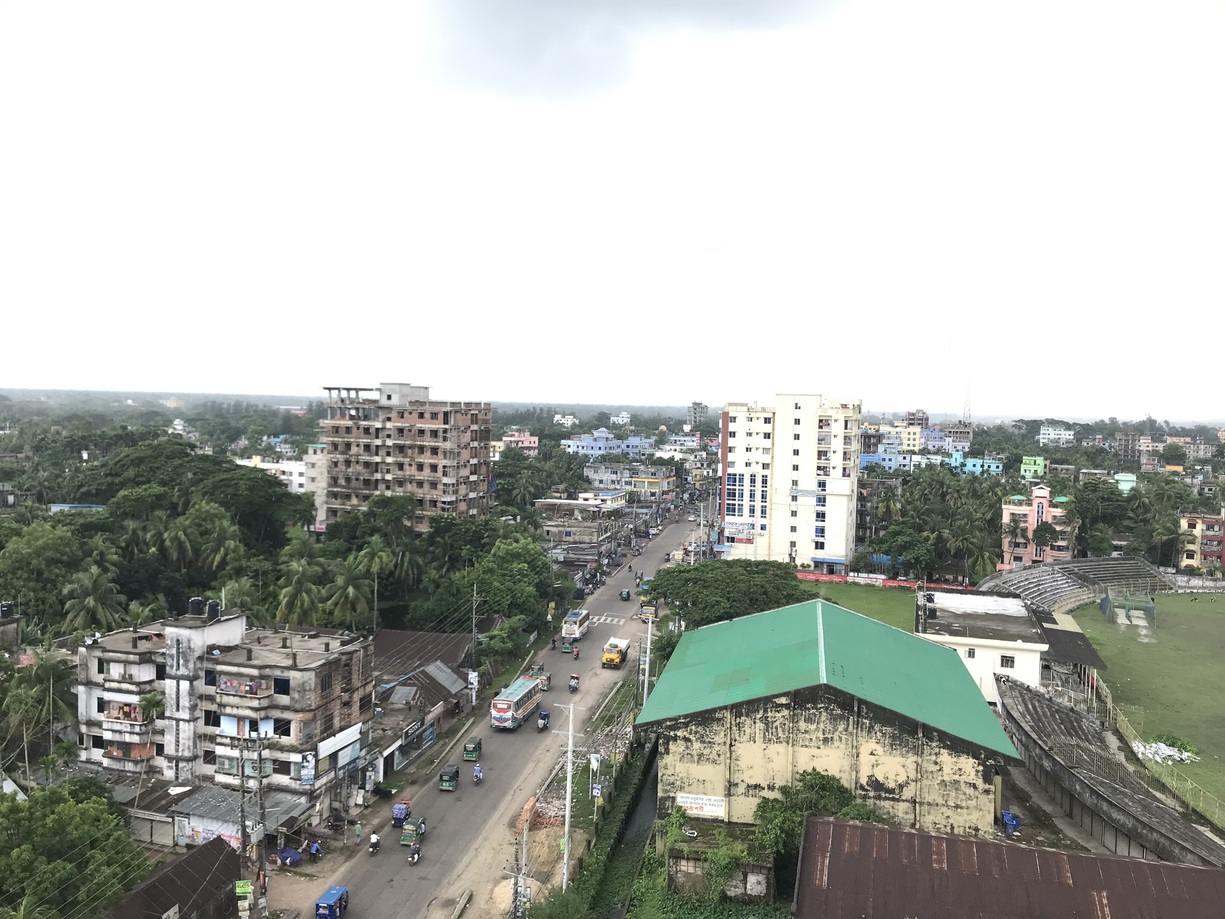
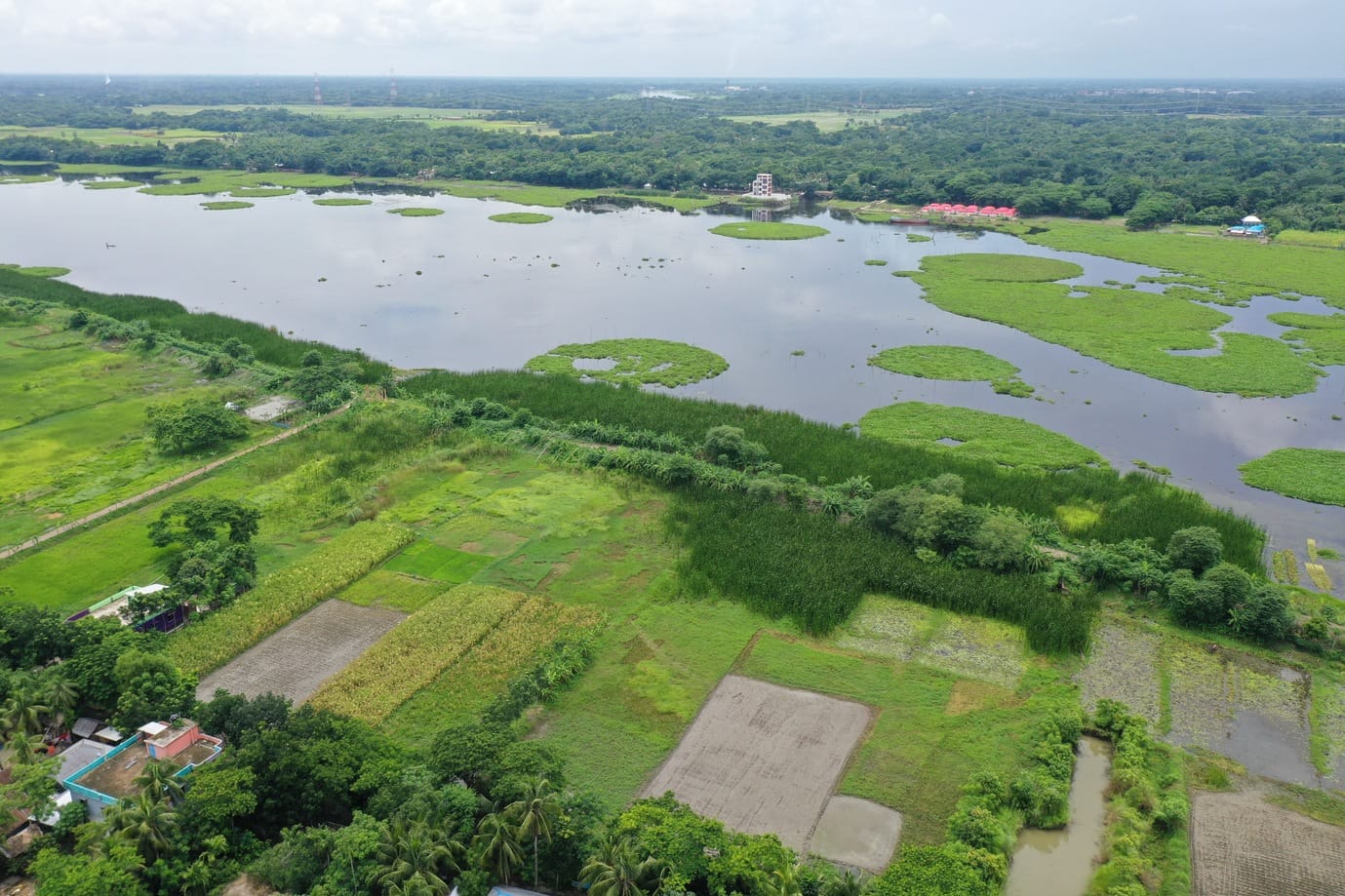
In Sherpur, Bogura, Rajbari, Gopalganj and Noakhali, waterbodies within and around the towns drive frequent flooding, and in parts of Noakhali even minor rainfall causes severe waterlogging. In Sherpur, 35% of families live in hard-to-reach settlements that mechanical desludging trucks cannot easily serve. The five municipalities, scattered across Bangladesh, range from about 64,000 to 400,000 residents, with Bogura the largest.
Project info
- Client: Citywide Inclusive Sanitation Technical Assistance Hub (TA Hub), funded by the Bill & Melinda Gates Foundation
- Funder / programme: Bangladesh City Inclusive Sanitation Project (AIIB-financed), with DPHE
- Period: May 2022 – Sep 2022
- Location: Sherpur, Bogura, Rajbari, Gopalganj and Noakhali, Bangladesh
Scope
The project supported five towns in Bangladesh using the citywide inclusive sanitation (CWIS) approach. It covered data collection and analysis, the preparation of sanitation plans, and support for informed decision-making. The work laid the groundwork for the proposed reforms and for the next phases, including Detailed Project Report (DPR) preparation and implementation.
The goal was to improve sanitation services in these towns through data-driven planning, contributing to better public health and living standards.
Did You Know?
- Sherpur is known for its fertile agricultural land, contributing significantly to the economy of the region.
- Bogura is often referred to as the "Land of Litchis" due to its litchi orchards.
- Bogura plays a pivotal role in the transportation and trade network, making it a hub for commerce and connectivity in Northern Bangladesh.
Services Delivered
CWIS Support for Municipalities
The project supported Pourashavas (municipalities) in preparing sanitation plans using the CWIS approach, which covers inclusive and sustainable sanitation planning and implementation across the whole town.
Data Collection and Analysis
Spatial and non-spatial data were collected and analysed on household sanitation and the management of public toilets, covering the full sanitation value chain.
Review of Faecal Sludge Management Protocols
Faecal sludge management (FSM) protocols were reviewed against required standards and practice, to improve the handling and treatment of faecal sludge.
Assessment of Treatment Options
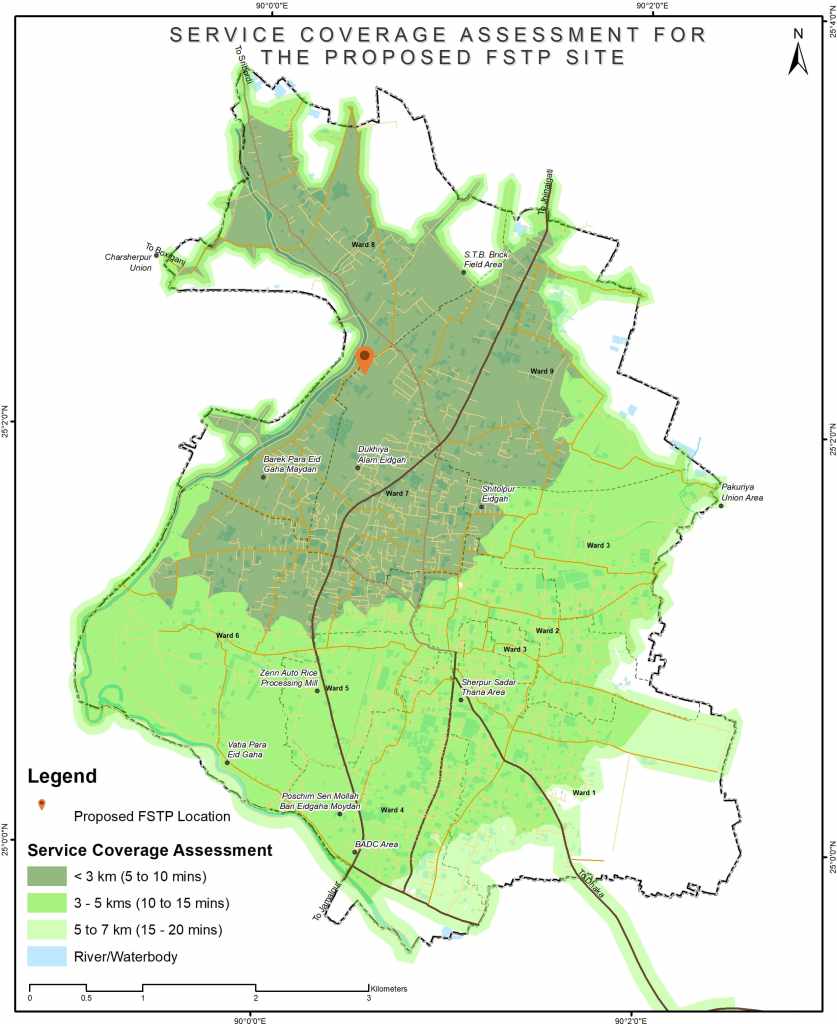
A range of treatment technologies and methods was assessed for feasibility and effectiveness, including the service coverage of existing and proposed faecal sludge treatment plants (FSTPs) and co-treatment options.
Formulation of CWIS Sanitation Plans
CWIS sanitation plans were prepared covering every part of the sanitation chain in the target towns, including a financial feasibility plan for practical implementation. The plans initially covered 5 towns, and the approach was later extended to 25 more towns.
Diverse Town Scale and Geography
The towns ranged in population from about 64,000 to 400,000 and in setting from riverfront to coastal locations, so the sanitation solutions were tailored to each town.
Results
- Spatial sanitation analysis reports and CWIS plans delivered for five towns: Sherpur, Bogura, Rajbari, Gopalganj and Noakhali.
- The CWIS Planning Module of the Integrated Municipal Information System (IMIS) applied across the full sanitation value chain in each town.
- 35% of Sherpur’s families identified as living in hard-to-reach settlements, informing desludging and FSTP service coverage proposals.
- Findings validated in the field through key informant interviews, with capacity building needs identified for DPHE, municipalities and service providers.
- The planning approach was later extended to 25 more towns.
Work Illustration
The map shows the service coverage of the proposed faecal sludge treatment plant (FSTP). At present, 35% of families in Sherpur live in hard-to-reach settlements, where access for mechanical trucks is a significant challenge. The analysis distinguishes accessible from inaccessible areas, which in turn shaped proposals suited to these access constraints.