Introduction
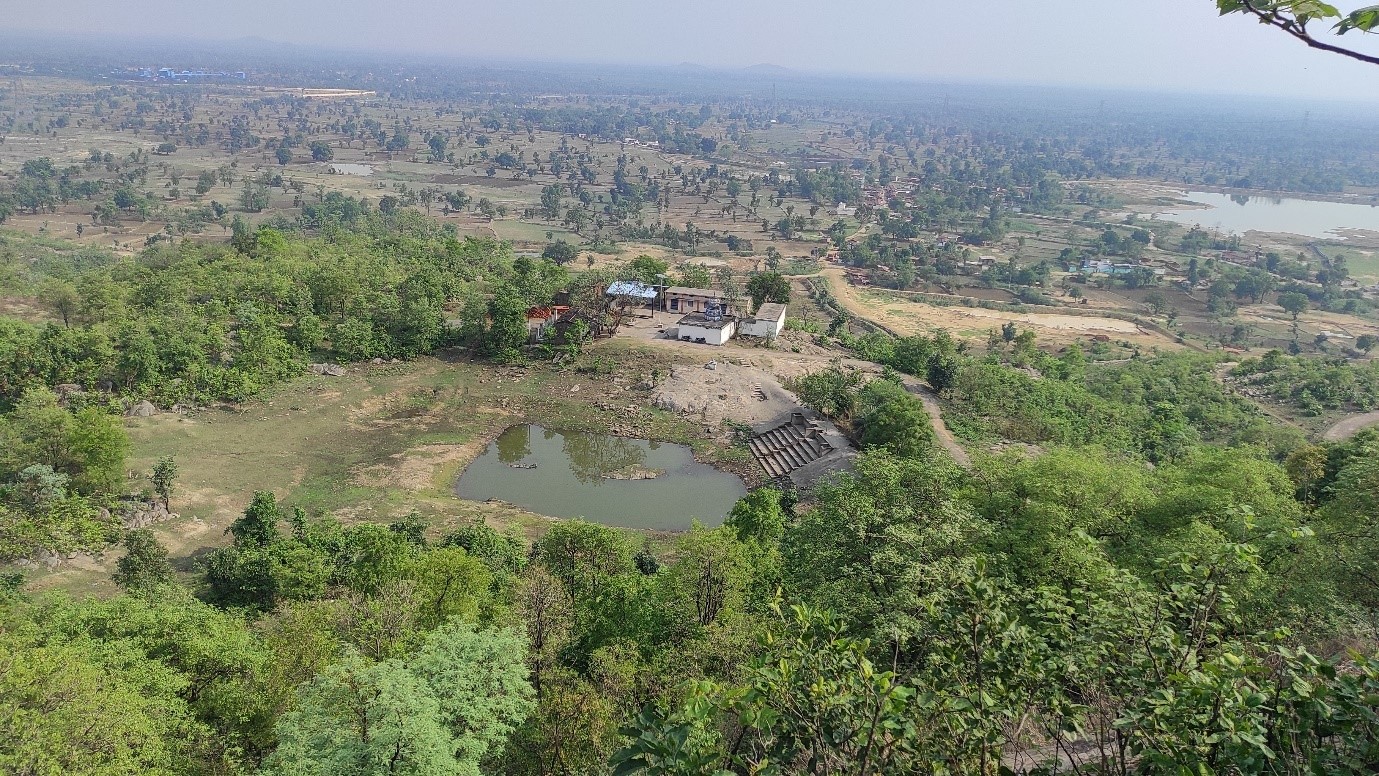
Swachh Bharat Mission brought toilets to almost every village in Chhattisgarh, but nearly all of them drain into pits and septic tanks with no system to empty, transport or treat the sludge. Without rules on desludging, standards for treatment plants or clear responsibilities between departments and Gram Panchayats, that sludge is often dumped untreated near homes, fields and water bodies. Chhattisgarh is home to around 30 million people, most of whom live in rural areas.
Project info
- Client: WaterAid India (Jal Seva Charitable Foundation)
- Funder / programme: Gates Foundation
- Period: Jan 2023 – Mar 2023
- Location: Chhattisgarh, India
Scope
The assignment was to draft a rural faecal sludge management (FSM) policy for Chhattisgarh: a roadmap for safe sanitation along the whole value chain in the state’s rural settlements. The policy sets out the objectives and priorities the state should adopt, the steps needed to manage faecal sludge safely, and the high-level priorities that matter most for putting the policy into practice.
Did You Know?
- Chhattisgarh accounts for 15% of the country’s total steel production.
- Deciduous forests cover about 44% of the state.
- Chhattisgarh is also known as the Rice Bowl of India.
Services Delivered
Situation Analysis and Needs Identification
We reviewed rural sanitation practices, institutions and existing policies in Chhattisgarh, identified FSM needs and used them to set out the policy’s rationale and objectives.
Consultation with Local Stakeholders
We consulted state government departments, panchayat bodies, local operators and other sanitation stakeholders so that the policy reflects local priorities.
Revenue Models and Financing
We formulated revenue models for desludging services, giving the state a structured approach to financing FSM, which is critical to its long-term sustainability.
Responsibility Delineation
We defined clear responsibilities across tiers of government and local institutions to support coordination in FSM implementation.
Standards and Monitoring Mechanisms
The policy set standards for faecal sludge treatment plants (FSTPs) and built in post-construction monitoring to keep them effective and sustainable.
Draft Policy Document
We brought the findings and recommendations together in a draft Rural FSM Policy, prepared for review and adoption by the Government of Chhattisgarh, and presented it to government officials and WaterAid India for feedback.
Results
- A draft Rural FSM Policy for Chhattisgarh, prepared for review and adoption by the state government.
- Revenue models for desludging services.
- A clear division of FSM responsibilities across government tiers and local institutions.
- Standards for FSTPs and a post-construction monitoring mechanism.
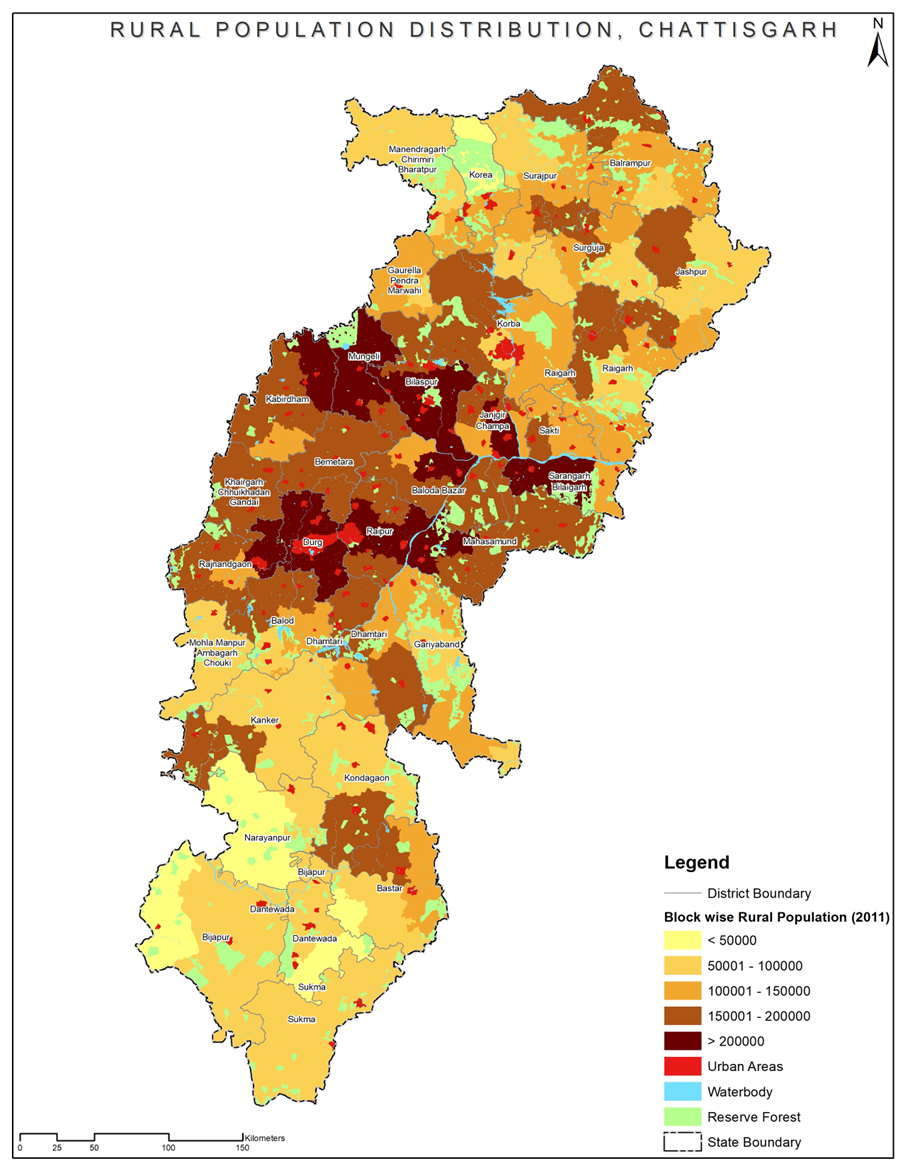
- A spatial prioritisation of Gram Panchayats (GPs), based on indicators such as rural population.
Work Illustration
The map shows the distribution of the rural population in Chhattisgarh, ranging from 50,000 to 200,000 residents. It is one of the main indicators used to identify priority GPs across the state.