Introduction
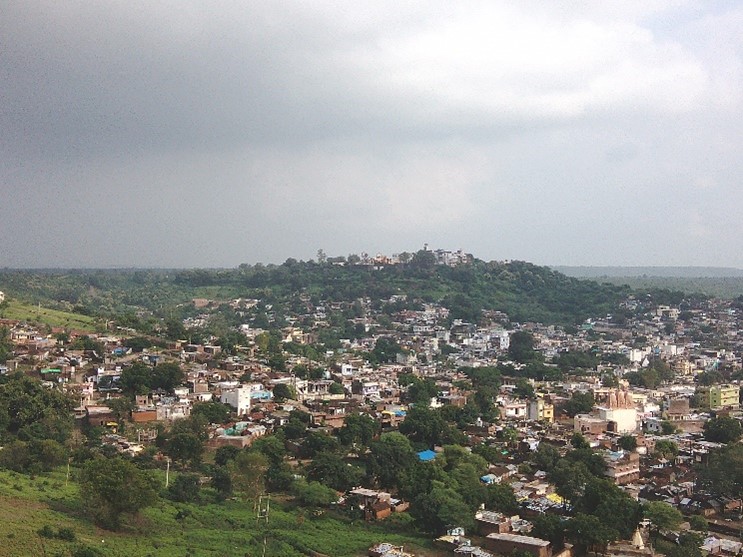
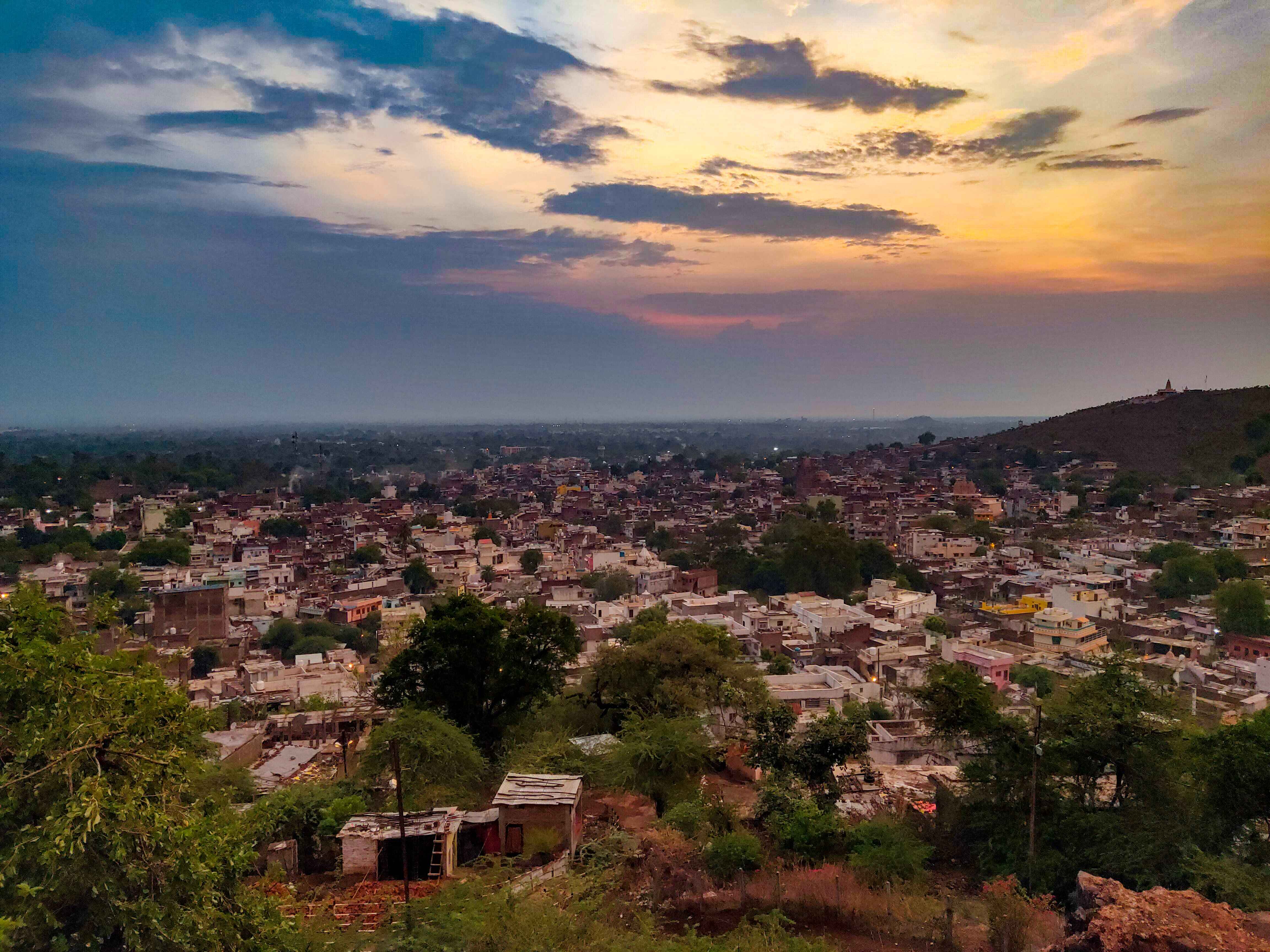
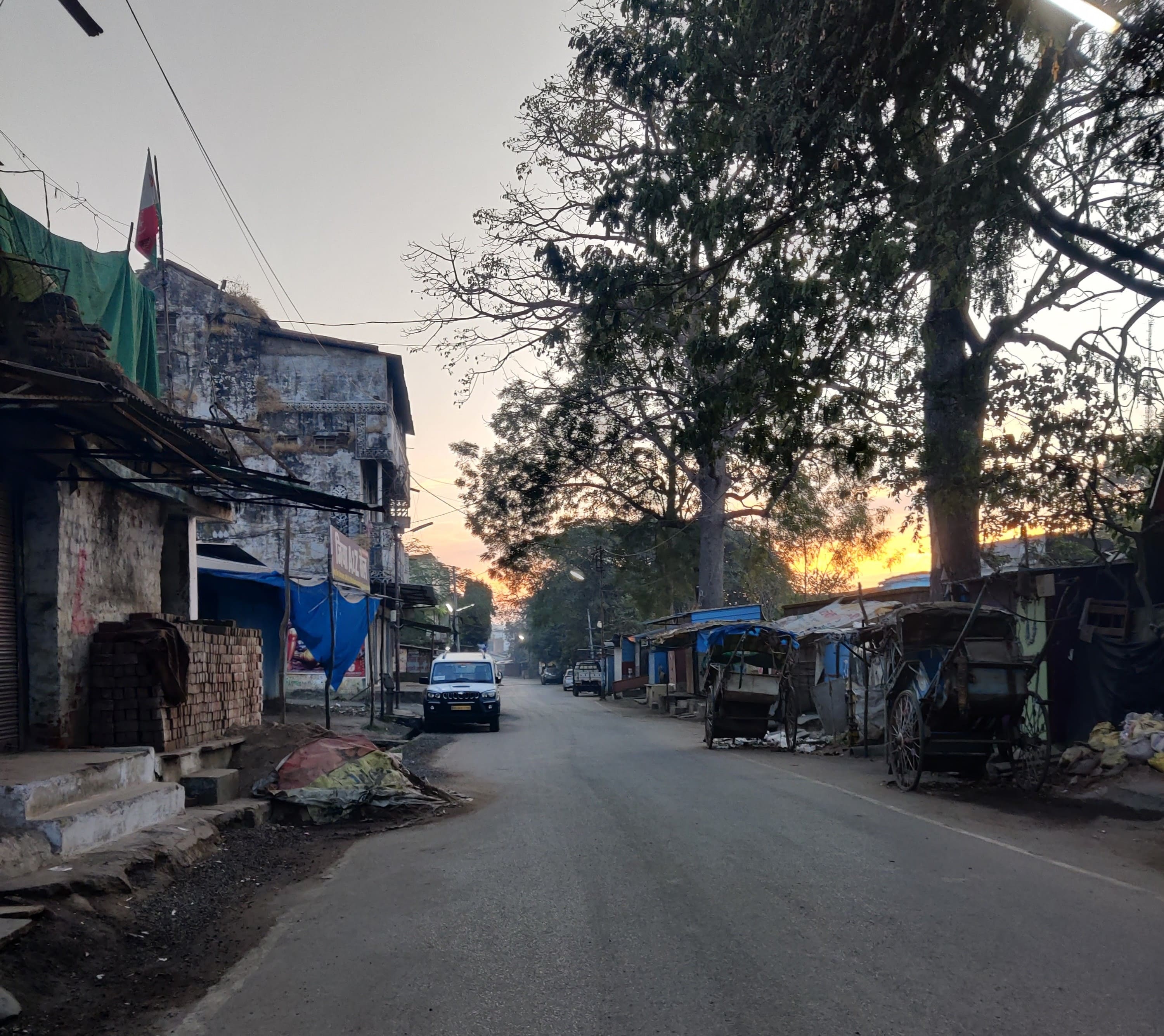
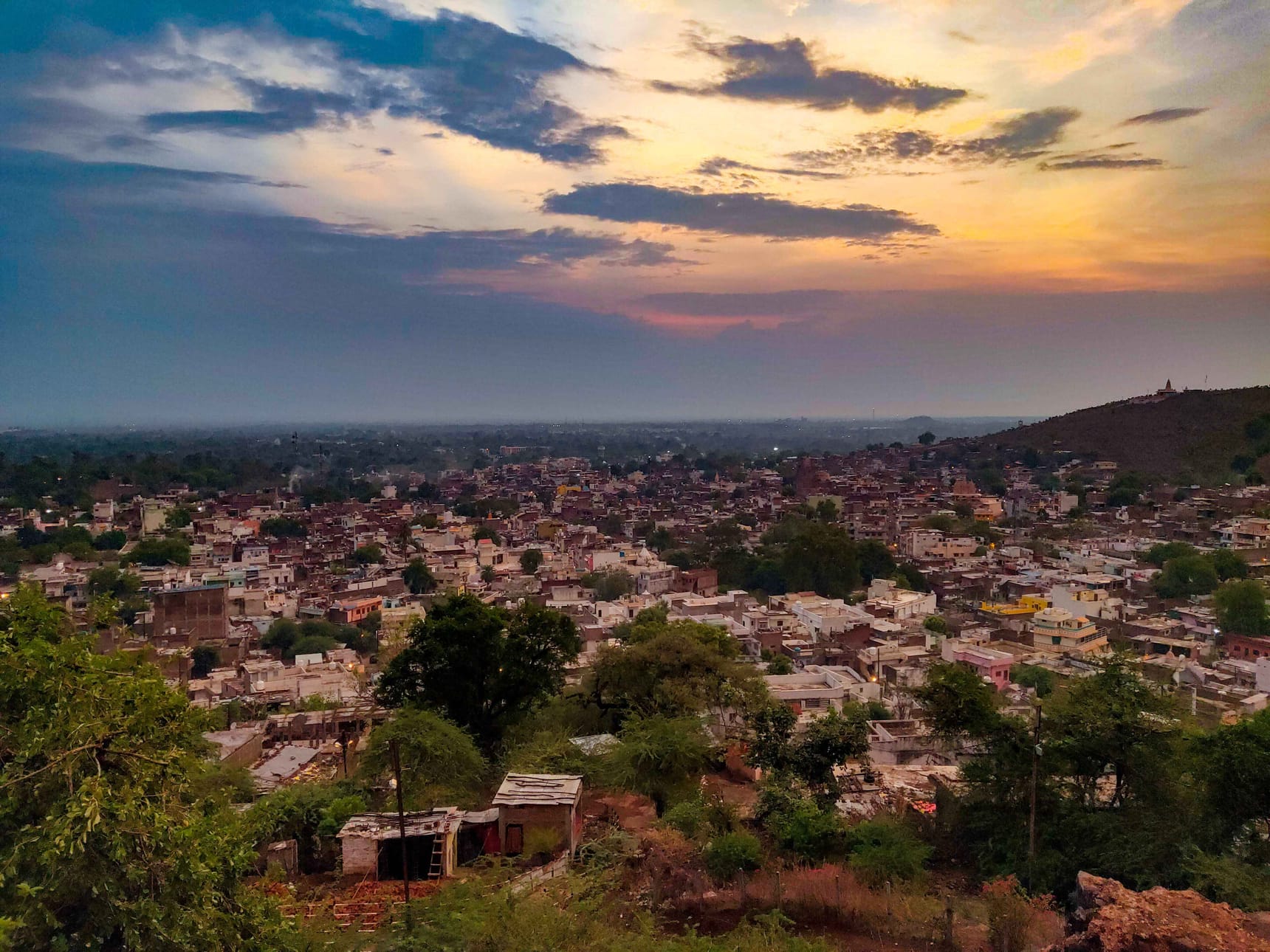
Betul and Raghogarh, with about 211,000 residents between them, needed to decide where a conventional sewer network makes sense and where non-sewered solutions for faecal sludge and greywater would serve households better. Uneven terrain, especially the hillocks that surround Raghogarh on three sides, makes that choice harder and raises the cost of getting it wrong. Betul (34 wards, population 122,841) lies on the Satpura plateau in southern Madhya Pradesh, and Raghogarh (24 wards, population 88,446) is in Guna district.
Project info
- Client: TA Hub (BMGF), ADB and Government of Madhya Pradesh
- Funder / programme: Asian Development Bank (ADB), Madhya Pradesh Urban Infrastructure Services Programme (MPUISP); technical support from the Bill & Melinda Gates Foundation
- Period: Jun 2021
- Location: Betul and Raghogarh, Madhya Pradesh, India
Scope
The project examined the techno-economic feasibility of wastewater management solutions for two pilot towns, covering both conventional sewer-based systems and non-sewered approaches. It sat within the wider MPUISP programme, funded by the Asian Development Bank (ADB), with technical expertise and support from the Bill & Melinda Gates Foundation.
The aim was to improve sanitation and wastewater management infrastructure in the pilot towns, and with it public health, environmental quality and quality of life.
Did You Know?
- Betul district borders the Satpura Tiger Reserve, one of the major tiger reserves in India, known especially for its conservation and ecotourism efforts.
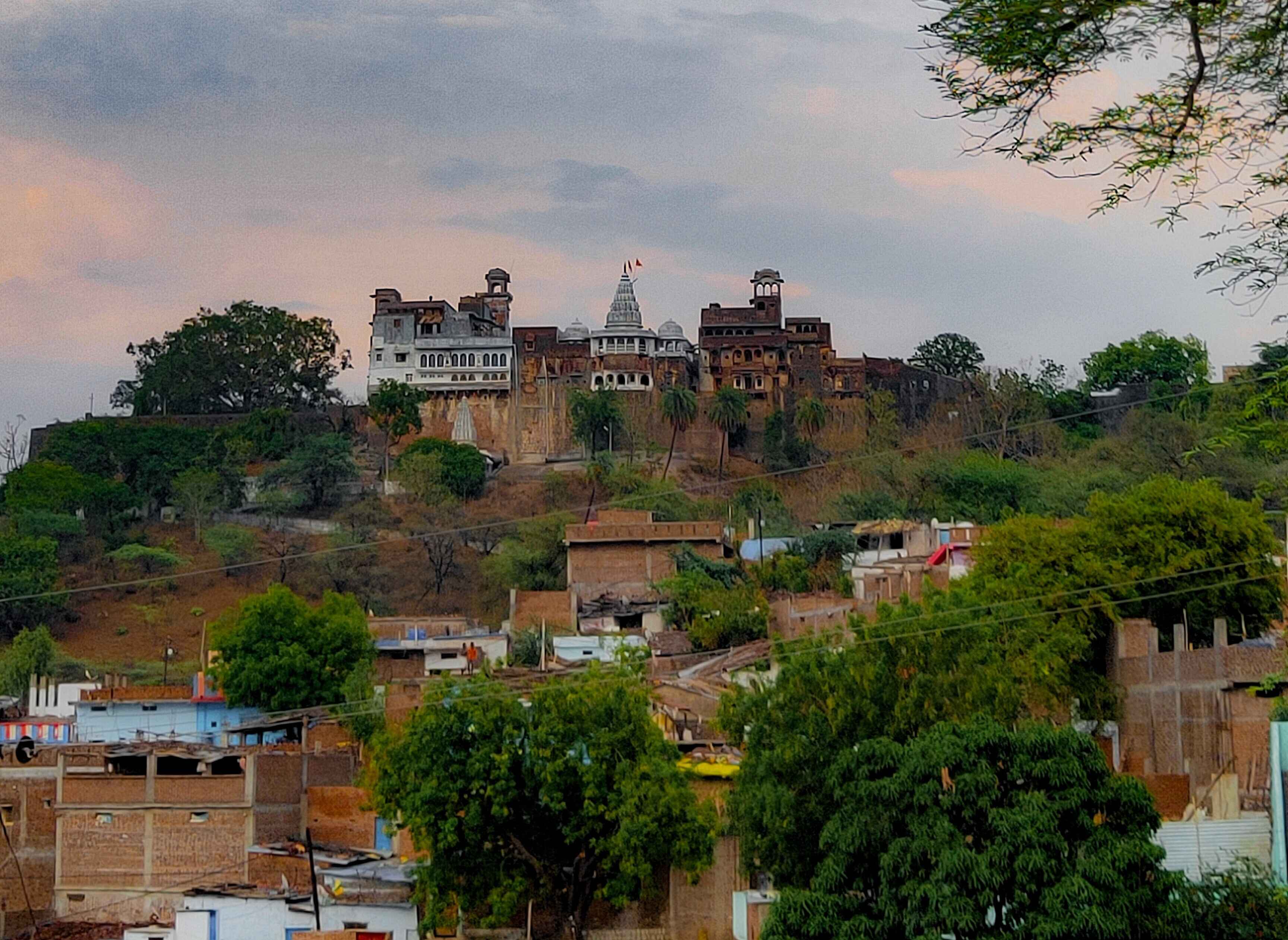
- Raghogarh is known for its historic Raghogarh Fort, noted for its 17th-century architecture and historical relics.
Services Delivered
Technical Advisory Team and Techno-Economic Feasibility
A Technical Advisory Team (TAT) was set up to provide technical support and prepare techno-economic feasibility studies for both sewered and non-sewered interventions.
Combined Sanitation Regulations and DPR
The TAT helped formulate combined sanitation regulations covering settlement areas across each town, to ensure uniform sanitation standards, and contributed to the Detailed Project Reports (DPRs).
Greywater Management Options
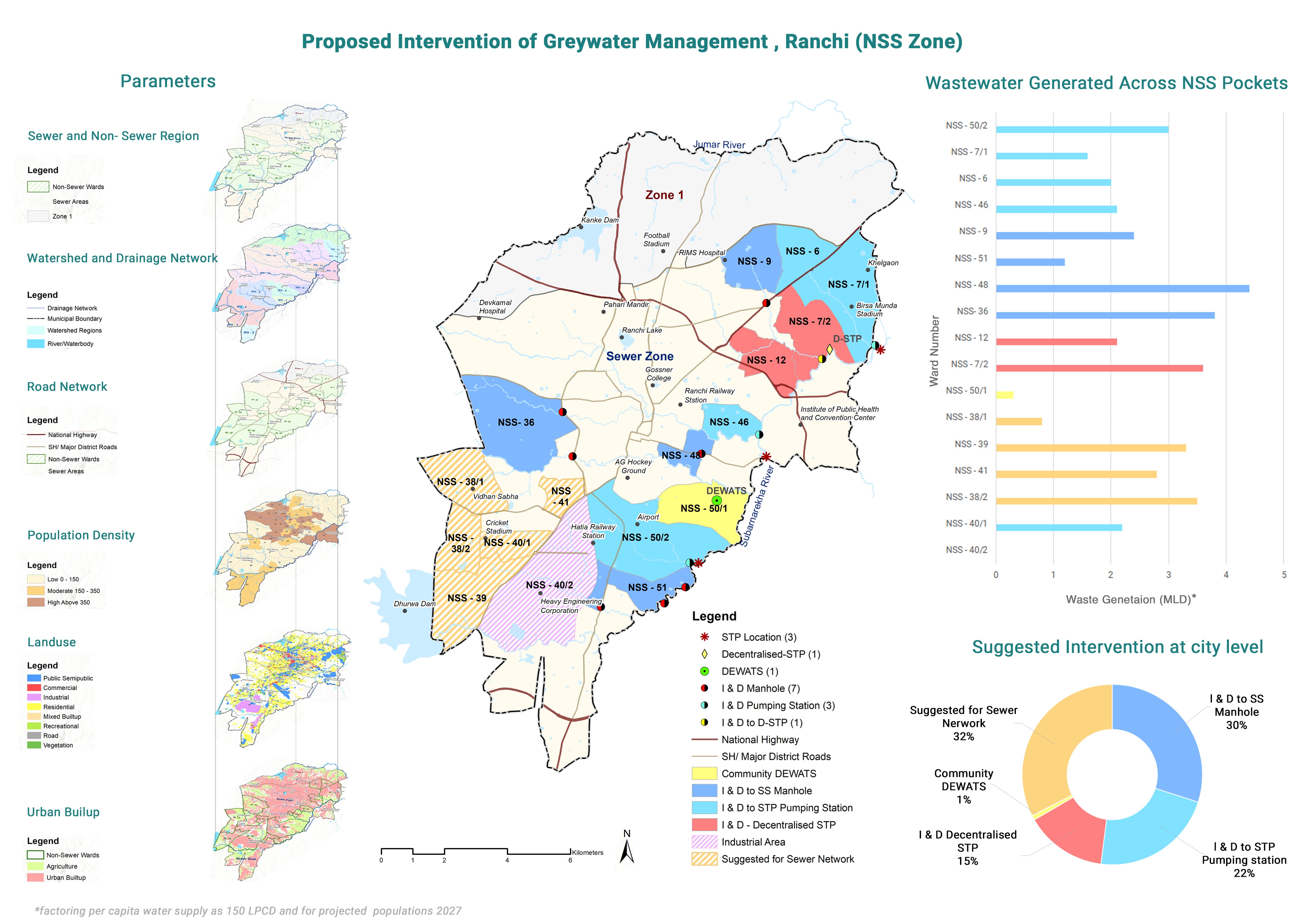
The project assessed greywater management options for non-sewered settlement areas, including shallow sewers, community-scale decentralised wastewater treatment systems (DEWATS) and on-site pits.
Capacity Building and ULB-Level Sanitation Bodies
The TAT designed capacity-building modules and recommended setting up sanitation cells and committees at urban local body (ULB) level to support service delivery for both sewered and non-sewered interventions.
Use of GIS and Drone Mapping
The project made extensive use of geographic information systems (GIS) and drone mapping, providing geospatial data for decision-making and planning.
A Model for Citywide Inclusive Sanitation (CWIS) Planning
The overall goal was a model for citywide inclusive sanitation (CWIS) planning that could be replicated in other target towns, as a foundation for inclusive and sustainable sanitation planning and implementation.
Results
- Techno-economic feasibility studies for sewered and non-sewered interventions in Betul and Raghogarh.
- Combined sanitation regulations for settlement areas across each town, and input to the Detailed Project Reports.
- Greywater management options for non-sewered areas: shallow sewers, community-scale DEWATS and on-site pits.
- Capacity-building modules and recommendations for ULB-level sanitation cells and committees.
- A CWIS planning model designed for replication in other target towns.
Work Illustration
The infographic shows the greywater management interventions planned for the project towns. Six thematic layers were used to assess and identify suitable greywater interventions in non-sewered (NSS) pockets, with parameters that describe current conditions in the town and help explore the proposed solutions.